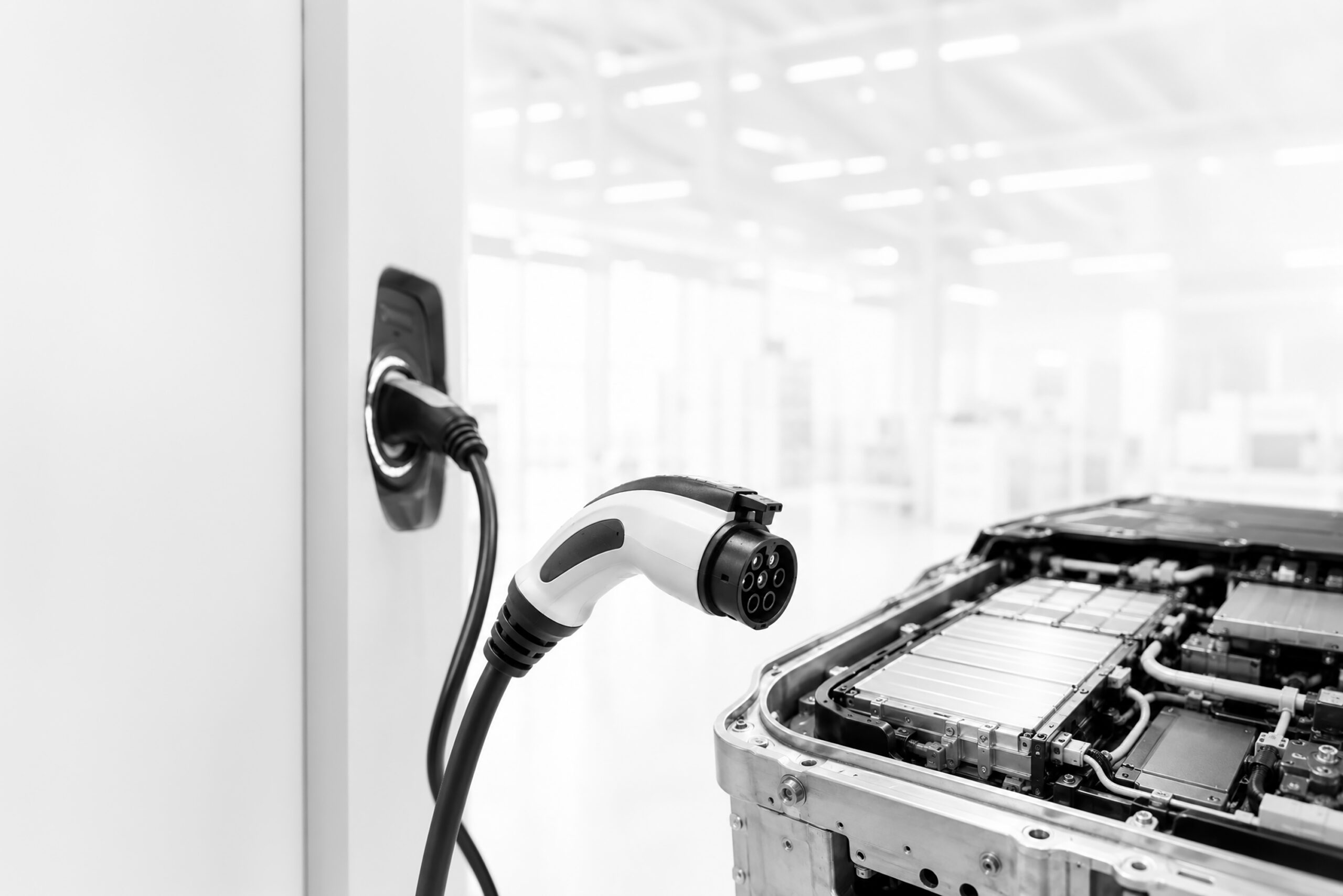
Battery management and intelligent charging across the full battery lifecycle
Two phases where battery problems occur, and how the network solves both
The problem:
The solution:
The problem:
The solution:
Proactive battery management for commercial fleets
Key Capabilities
- Continuous battery health monitoring across commercial and industrial fleets
- Proactive diagnosis: identifies failing batteries before they cause operational disruption
- Workshop integration: condition data built into routine servicing workflows
- Commercial vehicle programs: for automotive dealerships, logistics fleets, and industrial operators
Intelligent charging systems for demanding applications
3 things that separate intelligent charging from a commodity charger
Charge algorithm matching
Desulfation technology
Maintenance mode
Product Range
- MPL series battery chargers – intelligent charge management for automotive, industrial, and fleet environments
- Battery support units and showroom conditioners – maintaining condition during display, storage, and pre-delivery
- Bespoke OEM charging solutions – custom-specified systems for manufacturers' specific battery, packaging, and interface requirements
Who delivers this service
Fleet Battery Management Specialist
Battery Charging Systems Specialist
Frequently asked questions
Thru-process temperature profiling records the thermal history of the product itself as it moves through the furnace, using a data logger that travels with the product. A Temperature Uniformity Survey (TUS) is a static assessment of the furnace working volume to verify that temperature distribution meets the required uniformity specification. Both are required under AMS2750 and CQI-9, but they measure different things.
AMS2750 defines TUS frequency based on furnace class and type. Most production furnaces require a TUS at intervals between three months and one year, depending on their classification. Any change to furnace configuration or heating elements typically triggers a new out-of-cycle survey.
Yes. The Assessimus network's temperature profiling specialist offers optical profiling solutions for applications where conventional thermocouple-based loggers cannot operate. Thermal barriers are engineered for different temperature ranges, with systems available for processes up to and above 1,100°C.
Each profiling engagement produces a complete audit-ready report including the recorded temperature profile, uniformity analysis, pass/fail assessment against the applicable standard, instrument calibration references, and a certificate suitable for NADCAP AMS2750 or CQI-9 audit purposes.
Because temperature profiling is one service within a coordinated network, clients with requirements across multiple disciplines (such as material testing, EMC equipment, or pre-compliance consulting alongside thermal profiling) can access those services through Assessimus as a single partner. There is no need to manage separate supplier relationships for each stage of the compliance process.